The Great Bear
First Impression: Warm, Whimsical, and Instantly Recognizable
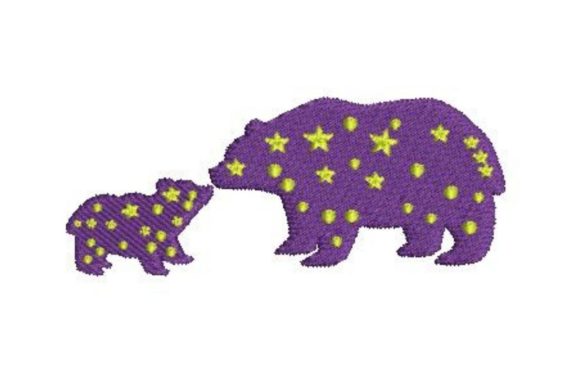
As an embroidery designer who’s prepped over 200 craft fair booths—from snowy Vermont markets to sun-drenched California pop-ups—I opened The Great Bear expecting charm. What I got was stronger: a design that reads *friendly authority*. It’s not cartoonish, not overly rustic, and definitely not minimalist—it lands in that sweet spot between woodland elegance and approachable handmade warmth. Think soft curves, balanced proportions, and a gentle expressiveness that makes it feel alive on fabric. For nursery decor? Absolutely. But more importantly for craft fairs? It translates beautifully to everyday handmade products—no “baby-only” ceiling.
Where The Great Bear Shines on Craft Fair Products
This machine embroidery design doesn’t just sit on fabric—it anchors attention. On a linen tote bag, it becomes the quiet hero of a curated booth display. On a cotton apron, its scale and flow complement stitching lines without competing. And on a tea towel? It holds up under kitchen wear while still looking giftable—not just functional, but intentional.
- Tote bags & market bags: Works perfectly as a centered chest or lower-corner accent—large enough to read from three feet away, detailed enough to invite closer inspection.
- Aprons & pillow covers: Scales elegantly across varied dimensions; maintains clarity even when resized down to 3.5 inches tall (ideal for pocket embroidery).
- Embroidered patches: Clean outer edges and moderate stitch density make it ideal for iron-on or sew-on use—no fraying risk at seams.
- Caps & curved surfaces: Avoid placing directly over the crown curve unless you’ve tested on scrap first—the bear’s face and ear contours hold well, but tight curves demand stabilizer discipline.
- Fabric pouches & small shop product packaging: Looks premium even at 2-inch width—great for branded gift tags or mini pouch labels.
What Makes It Sell—Beyond Cuteness
Customers don’t buy bears. They buy *feeling*: nostalgia, calm, groundedness, whimsy with weight. The Great Bear delivers that without leaning into cliché. In a sea of foxes and owls in the Woodland Animals category, it stands out by feeling both timeless and freshly designed—not recycled clipart, not overly trendy. That translates directly to perceived value: shoppers pay more for pieces that look like they were chosen, not stamped.
For Etsy sellers and digital embroidery file creators, this design photographs exceptionally well. Its contrast-friendly layout (no ultra-thin interior lines or micro-details) means crisp mockups—even on textured natural fabrics. And because it avoids dense fill areas or tiny lettering, it renders consistently across lighting setups and phone cameras. That’s critical when your listing thumbnail is someone’s first impression.
Production Realities: Smart Stitching, Fewer Surprises
This isn’t a “stitch-and-ship” design—but it’s refreshingly predictable. The stitch density feels balanced: no swampy satin zones that pucker on tea towels, no fragile outlines that vanish on terry cloth. That said, here’s where attention matters:
- Textured towels & thick fabrics: Use medium-weight cutaway stabilizer underneath—especially if embroidering near hems or seams.
- Dark fabric: Test thread colors before batch production. A warm cream or oatmeal works better than stark white for depth and softness.
- Small sizes (under 2.5"): The bear’s eye detail may blur—reserve smaller versions for patches or labels only after physical testing.
- Hoop size & spacing: Check your embroidery file’s recommended hoop—some versions nest compactly; others need breathing room for smooth hooping on multi-position machines.
Booth Impact & Brand Alignment
In person, The Great Bear strengthens your visual story. It pairs effortlessly with neutral linens, raw denim, and earth-toned ceramics—making your booth feel cohesive, not cluttered. When displayed across multiple product types (a pillow cover beside a matching tote, a patch pinned to a denim jacket), it builds subtle brand recognition without logos or slogans. That consistency is gold for boutique makers and creative entrepreneurs building long-term customer trust.
It also invites engagement: kids point, parents smile, grandparents pause. That micro-moment of connection? That’s where craft fair sales begin.
Designer Notes You Can’t Skip
Before cutting fabric or uploading to your embroidery machine:
- Test The Great Bear on scrap fabric matching your final product—especially if using textured towels, canvas, or stretchy blends.
- Confirm thread contrast: light threads on dark fabric need extra top tension checks; dark on light needs clean bobbin thread to avoid shadowing.
- Review spacing between elements—especially ears and snout—to ensure no floating stitches or awkward gaps at scale.
- Verify hoop size compatibility with your machine and intended product (e.g., cap frames vs. flat hoops).
- Inspect stitch density visually—not just numerically. Look for balanced satin vs. fill vs. outline ratios.
- Use the right stabilizer: tear-away for stable wovens, cutaway for knits or heavy use items like aprons.
- Create at least one real-world mockup—not just a printable mockup—before ordering bulk fabric.
- Compare how it looks on 3–4 fabric colors side-by-side. Light gray, oat, charcoal, and natural linen often reveal unexpected tonal shifts.
- Confirm commercial licensing terms before selling finished products—this is non-negotiable for Etsy sellers and small shop owners.
Final Thought: A Design That Grows With Your Business
The Great Bear isn’t just another woodland animal embroidery file—it’s a versatile, emotionally resonant asset. It performs across product categories, scales reliably, photographs well, and feels authentically handmade—not mass-produced. Whether you’re launching your first Etsy shop or refining your craft fair lineup season after season, this machine embroidery design earns its place in your core design assets. Just remember: great embroidery starts with intention, not speed. Test, compare, refine—and let The Great Bear do the rest.